

Planning a trip to Kenya often begins with excitement—dreaming of breathtaking safaris, witnessing the Great Migration, spotting lions in the wild, or relaxing on the white sandy beaches of the Kenyan coast. Yet for many first-time visitors, one question repeatedly appears during their travel planning:
“Is Nairobi safe for tourists?”
The short answer is yes—Nairobi can be a safe and enjoyable destination for tourists who take the same sensible precautions they would in any major international city.
As Kenya’s capital and the gateway to East Africa, Nairobi welcomes millions of visitors every year. It is home to international organizations, diplomatic missions, multinational companies, conference centers, luxury hotels, shopping malls, and one of Africa’s busiest airports. At the same time, like London, Paris, New York, Johannesburg, Rio de Janeiro, or Mexico City, Nairobi is a large metropolitan city where visitors should stay informed, use trusted transportation, and remain aware of their surroundings.
Unfortunately, many articles about Nairobi focus only on crime statistics or outdated stereotypes. Others go to the opposite extreme by claiming there are no safety concerns at all. Neither approach helps travelers make informed decisions.
This guide takes a different approach.
Written from the perspective of professionals working in Kenya’s tourism industry, it provides balanced, practical advice based on local experience. Whether you’re arriving for a luxury safari, attending an international conference, traveling with family, exploring as a solo adventurer, or stopping over during a long layover at Jomo Kenyatta International Airport (JKIA), this guide will help you navigate Nairobi with confidence.
By the end of this article, you’ll understand:
- How safe Nairobi really is for tourists
- Which areas are popular with visitors
- How to travel safely from JKIA Airport
- Tips for using taxis and ride-hailing services
- Common tourist scams and how to avoid them
- Safety advice for solo travelers and women
- Family-friendly travel tips
- Wildlife safety during game drives
- Cultural etiquette and local customs
- Practical recommendations from local tourism professionals
Our goal isn’t simply to answer whether Nairobi is safe. It’s to help you enjoy one of Africa’s most exciting cities with confidence, so you can focus on what truly matters—creating unforgettable memories.
Is Nairobi Safe for Tourists?
The answer is yes, but it deserves more context than a simple one-word response.
Nairobi is not a city where visitors should be fearful, nor is it one where travelers should ignore basic safety practices. The reality lies somewhere in the middle.
Every day, thousands of people arrive through JKIA to begin safaris, attend business meetings, participate in international conferences, volunteer with conservation organizations, or explore Kenya as independent travelers. The vast majority complete their trips without experiencing any serious problems.
Many first-time visitors are surprised by how modern Nairobi is. They discover vibrant cafés, upscale shopping malls, international hotel brands, excellent restaurants, and bustling neighborhoods that feel welcoming and cosmopolitan. At the same time, they also notice that, like any large city, Nairobi has busy streets, heavy traffic, and neighborhoods with varying levels of development.
For tourists, the key to staying safe is not avoiding Nairobi altogether—it’s making informed choices.
Using reputable transportation, choosing accommodation in well-known visitor areas, avoiding unnecessary risks, and following local advice go a long way toward ensuring a comfortable stay.
One of the biggest advantages for travelers booking through established safari companies is that many logistics are handled in advance. Airport transfers, guided excursions, and professionally planned itineraries reduce uncertainty and allow visitors to focus on enjoying their experience rather than worrying about transportation or navigation.
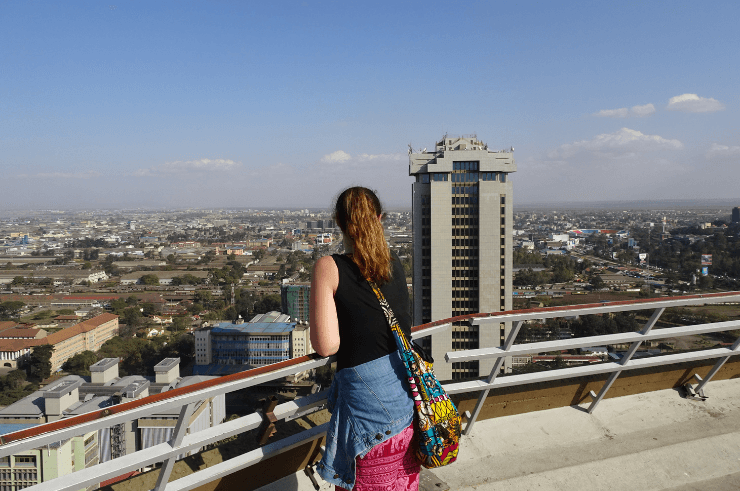
Why Does Nairobi Have a Mixed Reputation?
If you search online for information about Nairobi, you’ll quickly find two very different narratives.
One portrays Nairobi as a dangerous city where tourists should constantly worry about crime.
The other paints it as a flawless destination with no concerns at all.
Neither tells the full story.
Nairobi’s reputation is influenced by several factors. Like many fast-growing capitals, it has experienced rapid urbanization, economic inequality, and the challenges that come with being home to millions of residents. International news coverage also tends to focus on isolated incidents because dramatic stories attract more attention than the everyday experiences of millions of people who live, work, and travel safely in the city.
What those headlines rarely show are the thriving business districts, international schools, diplomatic communities, conservation organizations, cultural attractions, and vibrant hospitality industry that define much of Nairobi today.
They also don’t show visitors enjoying an early morning game drive in Nairobi National Park, sharing lunch in Karen, feeding giraffes at the Giraffe Centre, or browsing artisan markets before returning to their hotels.
The truth is that Nairobi is a dynamic, modern city with enormous opportunities for tourism. Understanding both its strengths and its challenges allows visitors to prepare realistically rather than relying on outdated stereotypes.

Understanding Nairobi: Kenya's Dynamic Gateway to East Africa
To understand safety in Nairobi, it helps to understand the city itself.
Nairobi is more than Kenya’s capital. It is East Africa’s economic, diplomatic, and aviation hub. Major global organizations, including the United Nations Environment Programme (UNEP) and the United Nations Human Settlements Programme (UN-Habitat), have headquarters here. The city also hosts regional offices for multinational companies, international NGOs, and financial institutions, attracting business travelers from around the world.
Tourism is another cornerstone of Nairobi’s identity. It serves as the starting point for many of Kenya’s famous safari circuits, including the Maasai Mara, Amboseli, Samburu, Tsavo, and Laikipia. Because of this, the city’s hospitality industry is well-developed, offering everything from boutique guesthouses to internationally recognized luxury hotels.
One of Nairobi’s most remarkable features is its proximity to wildlife. Few places on Earth allow visitors to leave a conference room in the afternoon and, within minutes, find themselves watching rhinos, giraffes, or lions in their natural habitat. This unique combination of urban life and wilderness is one of the reasons Nairobi continues to attract travelers from across the globe.
Like any major city, Nairobi has neighborhoods that are particularly popular with tourists, areas that cater primarily to businesses, and residential communities with different characteristics. Understanding this diversity helps visitors make informed decisions about where to stay, dine, and explore.

Is Nairobi Safer Than People Think?
For many visitors, the answer is yes.
Travelers often arrive expecting a chaotic or intimidating environment because of what they have read online. Instead, they find friendly people, professional tourism services, modern infrastructure, and a welcoming atmosphere in the areas most commonly visited by tourists.
This doesn’t mean visitors should let their guard down. Sensible travel habits—such as keeping valuables secure, arranging reliable transportation, and avoiding unfamiliar areas late at night—remain important.
But it’s equally important not to let exaggerated perceptions overshadow the reality that millions of people, including tourists, business executives, students, diplomats, and residents, move around Nairobi every day without incident.
Preparation, awareness, and informed decision-making are far more valuable than fear.


